





Back to blog
Hydraulic vs. Electric vs. Hybrid Injection Molding Machines
Jun 10, 2025
Ing. Andrea Balajová

When choosing an injection molding machine, one of the most important decisions is selecting the right drive technology: hydraulic, electric, or hybrid. Each type has its own advantages, limitations, and ideal applications. Understanding these differences can help manufacturers improve efficiency, reduce operating costs, and choose the right machine for their production needs.
In this article, we’ll explain the key differences between hydraulic, electric, and hybrid injection molding machines, their advantages, and how to choose the best option for your business.
How Drive Technology Impacts Injection Molding Performance
The main difference between hydraulic, electric, and hybrid injection molding machines lies in how their movements are powered and controlled.
Hydraulic machines use oil-driven systems to control clamping, injection, and other movements. Electric machines rely on servo motors for precise control of each axis. Hybrid machines combine both technologies, using electric drives for precision and hydraulics for power.
This difference directly affects energy consumption, precision, maintenance requirements, and overall production efficiency.
Hydraulic Injection Molding Machines
Hydraulic injection molding machines are the traditional and most widely used type in the industry. They are known for their robustness, reliability, and ability to handle high clamping forces.
Key characteristics of hydraulic machines:
• High clamping force suitable for large parts
• Lower initial investment compared to electric machines
• Strong and durable construction
• Suitable for a wide range of applications
Hydraulic machines are particularly effective in heavy-duty production, such as automotive parts, large containers, and thick-walled products.
However, they also have some limitations:
• Higher energy consumption
• Lower precision compared to electric machines
• Oil maintenance and potential leakage issues
• Higher operating noise
Despite these drawbacks, hydraulic machines remain a popular choice, especially on the used machinery market, where they offer excellent value for money.
Electric Injection Molding Machines
Electric injection molding machines use servo motors to control all movements, providing a high level of precision and repeatability.
Key characteristics of electric machines:
• High precision and repeatability
• Lower energy consumption
• Clean operation (no hydraulic oil)
• Quiet performance
Electric machines are ideal for applications requiring tight tolerances, such as medical devices, electronics, and micro-molding.
Advantages in practice:
• Reduced energy costs (often 30–70% savings compared to hydraulic machines)
• Faster and more consistent cycle times
• Better process control and quality stability
Limitations:
• Higher initial investment
• Lower maximum clamping force compared to hydraulic machines (in some cases)
• Higher sensitivity to environmental conditions
Electric machines are becoming increasingly popular, especially in industries where precision and cleanliness are critical.
Hybrid Injection Molding Machines
Hybrid injection molding machines combine the strengths of both hydraulic and electric systems. Typically, they use electric drives for injection and dosing, and hydraulic systems for clamping.
Key characteristics of hybrid machines:
• Balance between power and precision
• Improved energy efficiency compared to hydraulic machines
• Better performance than traditional hydraulic systems
• Suitable for a wide range of applications
Hybrid machines are often used in packaging, automotive, and high-speed production environments where both speed and force are required.
Advantages:
• Lower energy consumption than hydraulic machines
• Higher clamping force than fully electric machines
• Faster cycle times in many applications
Limitations:
• More complex system design
• Maintenance may require expertise in both technologies
• Higher cost than standard hydraulic machines
Main Differences Between Hydraulic, Electric, and Hybrid Machines
Energy Consumption
Electric machines are the most energy-efficient, followed by hybrid machines. Hydraulic machines typically consume the most energy due to constant pump operation.
Precision and Repeatability
Electric machines offer the highest precision. Hybrid machines provide good precision, while hydraulic machines are less accurate in comparison.
Clamping Force
Hydraulic machines excel in high clamping force applications. Hybrid machines offer a strong balance, while electric machines may be limited in very high-tonnage applications.
Maintenance
Hydraulic machines require oil maintenance and monitoring. Electric machines have fewer maintenance requirements but need specialized service. Hybrid machines combine both aspects.
Cost Considerations
Hydraulic machines have the lowest initial cost. Electric machines require higher investment but offer lower operating costs. Hybrid machines sit in the middle.
Typical Applications by Machine Type
Hydraulic machines:
• Automotive components
• Large plastic parts
• Industrial applications
Electric machines:
• Medical devices
• Electronics and connectors
• Precision parts and micro-molding
Hybrid machines:
• Packaging (thin-wall containers)
• High-speed production
• Multi-purpose manufacturing
Brands and Machine Types
Different manufacturers are known for their strengths in specific machine types.
Hydraulic and hybrid specialists:
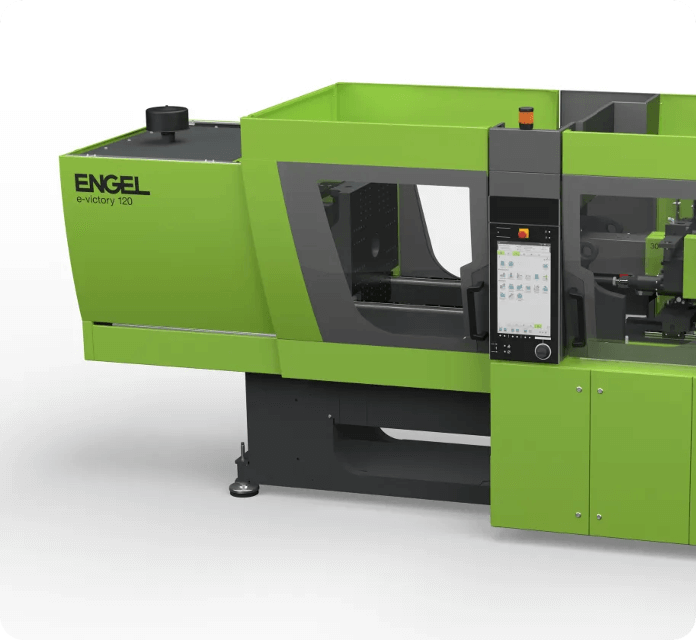
• Engel (duo, victory)
• KraussMaffei (CX, GX)
• Haitian (Mars series)
Electric machine specialists:
• Sumitomo (SHI) Demag (IntElect)
• Fanuc (Roboshot)
• Nissei (NEX series)
Many modern manufacturers offer all three technologies, allowing customers to choose based on application and budget.
When to Choose Hydraulic vs. Electric vs. Hybrid
Choose a hydraulic machine if:
• You need high clamping force
• You are working with large or thick-walled parts
• You want a lower initial investment
Choose an electric machine if:
• You require high precision and repeatability
• You want to reduce energy consumption
• You produce medical or electronic components
Choose a hybrid machine if:
• You need a balance of power and precision
• You want improved energy efficiency without losing performance
• You operate in high-speed production environments
Conclusion
Hydraulic, electric, and hybrid injection molding machines each have their place in modern manufacturing. The right choice depends on your production requirements, budget, and long-term operating costs.
Hydraulic machines offer power and affordability. Electric machines provide precision and energy efficiency. Hybrid machines combine the best of both worlds.
At BASTA Machines, we offer a wide range of high-quality used injection molding machines, including hydraulic, electric, and hybrid models from leading brands. Whether you are looking for a cost-effective solution or a high-performance machine, we can help you find the right option.
Looking for a reliable, ready-to-run machine?
👉 Explore our stock of used injection molding machines or contact our team today.
If you’d like to better understand how different drive systems work in practice, this video provides a clear overview of hydraulic, electric, and hybrid injection molding machines and their key differences: Watch Differences Between Hydraulic, Electric, and Hybrid Injection Molding Machines
BUY MACHINE